Efficient Flight Training
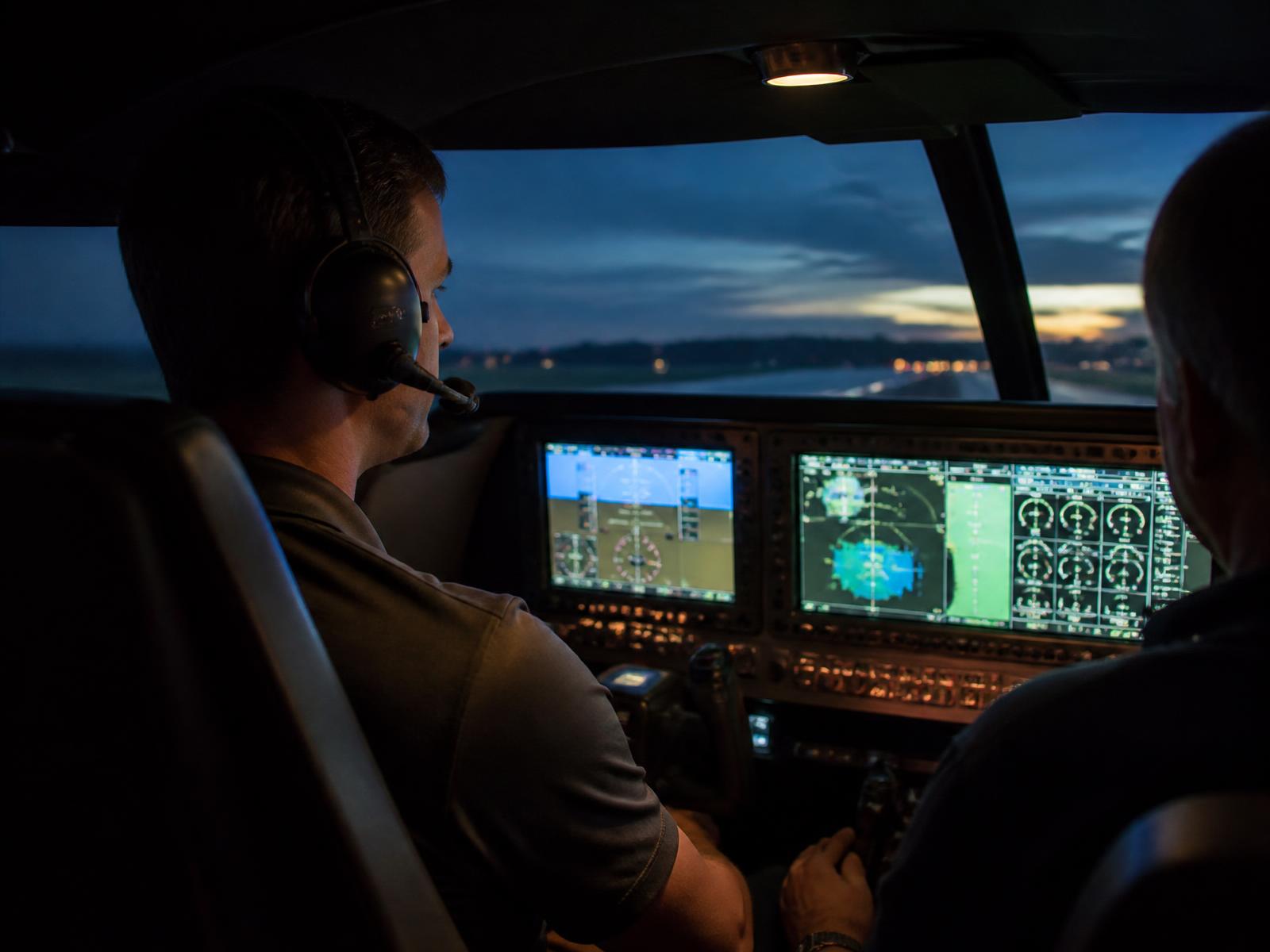
Every lesson has written objectives, required preparation, measurable progress standards, and a focused debrief — so you always know what you are working on and where you stand.
PART 61 FLIGHT TRAINING • KTMB
Flight Connect Academy combines structured instruction, simulator practice, and AI-powered preparation to help you arrive ready for every aircraft lesson—and make your training time more productive.
How we train
Every lesson has written objectives, required preparation, measurable progress standards, and a focused debrief — so you always know what you are working on and where you stand.
AI-supported study, digital lesson planning, readiness checks, and progress tracking reinforce instructor-led training. Technology supports your instructor; it never replaces them.
You rehearse procedures, flows, radio work, and scenarios on the ground and in appropriate simulators, so aircraft lessons focus on the skills that require actual flight and avoidable hours are reduced.
The training method
Ground study and AI-supported briefings build the knowledge the lesson depends on.
Flows, procedures, and radio calls are practiced in appropriate simulators and chair-flying.
A short readiness check confirms you are prepared before the aircraft is booked.
Aircraft time is spent on the skills that genuinely require actual flight, with your instructor.
A focused debrief records what met standard and sets the objective for the next lesson.
Simulator and AI preparation support qualified instructors. They do not automatically replace FAA-required aeronautical experience, and required aircraft time is always flown.
Program pathways
Four routes, one structure: understand who it is for, what it leads to, and what your next milestone looks like.
The foundation of every path. Learn to fly an aircraft safely and carry passengers for personal travel.
Fly by reference to instruments in cloud and low visibility — the single largest jump in a pilot's capability.
The certificate that allows you to be compensated for flying, built on precision maneuvers and higher standards.
The full sequence, planned end to end — from your first lesson to the experience required for a professional cockpit.
Why Flight Connect
We explain the sequence, the requirements, and the trade-offs before anyone asks you for a decision. A plan you understand is a plan you can keep.
AI-supported study, digital planning, and readiness checks reinforce your instructor's lesson plan. They make aircraft time more productive; they never replace required flight training.
We do not publish costs, timelines, or outcomes we cannot verify. Where a number depends on you, we teach you the variables instead.
Your plan is the beginning of a record we keep with you, so advice stays consistent as your situation changes.
First location
KTMB is a busy general-aviation airport in southwest Miami-Dade with year-round flying weather and access to varied airspace — a practical place to learn.
Official FAA airport diagram
25°38.8'N / 80°25.6'W · ELEV 10 FT
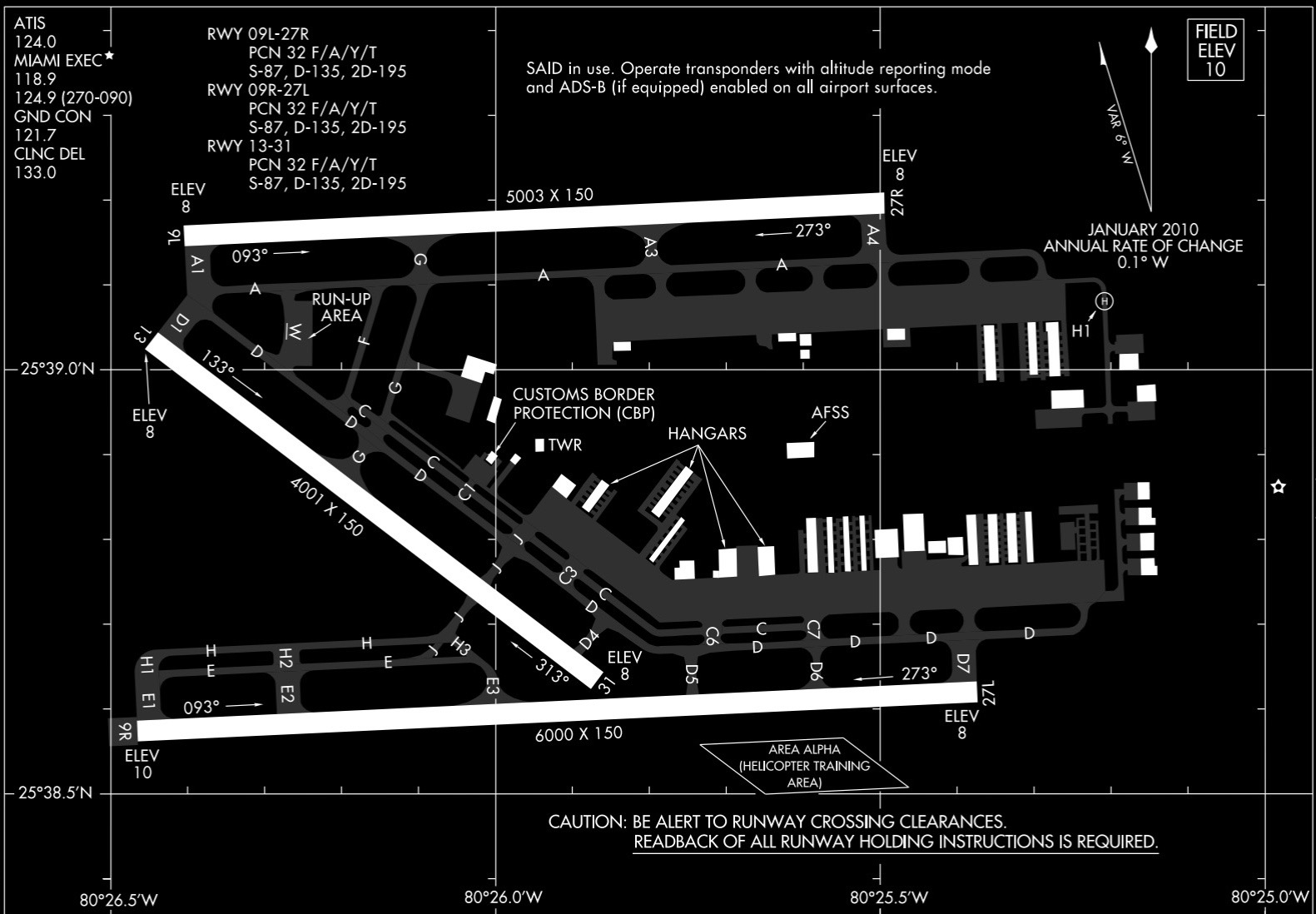
Swipe to pan across the field
Training decision guide
We do not publish totals we cannot verify. Instead, here are the variables that move them.
Frequent, regular lessons reduce review time. Long gaps add hours.
South Florida flies year-round, but summer afternoons and low ceilings cause cancellations.
Access to a consistent aircraft and instructor is one of the biggest pace factors.
Simulator time, prior certificates, or foreign licenses change the sequence.
Certificates are earned by proficiency, not by a fixed number of calendar weeks.
Study done outside the aircraft directly reduces time spent inside it.
Built to grow with you
Flight Connect is being built as a long-term platform. Today, guidance, your personalized plan, and advisor conversations are live. Additional student tools will appear here only when they are genuinely ready.
Questions
A clear route to the cockpit.
Build your flight plan in under two minutes, or talk it through with an advisor first.